

News

Do Succulents Really Clean the Air?
Succulents do more than look beautiful—they also help clean the air. While they won’t replace a purifier, succulents like Aloe Vera and Snake Plant can absorb toxins, release oxygen, and even boost your mood. Learn which varieties are best for air purification and how they can improve your home environment.

Why Are My Succulents Dying? Common Problems & Fixes
Succulents may be low-maintenance, but they’re not indestructible. If your plant looks mushy, stretched, or dry, don’t panic. This guide covers the most common reasons succulents die—like overwatering, poor light, or pests—and how to fix them so your plants thrive again.

How to Grow and Care for Aeonium Black Rose Succulent
The Aeonium Black Rose (also known as Aeonium Zwartkop) is one of the most striking succulents, known for its dark, almost black rosettes and stunning contrast in any plant collection. If you’re looking to add a touch of elegance and uniqueness to your home or garden, this succulent is a must-have. Here’s a simple guide to help you grow and care for your Aeonium Black Rose:

How Long Does It Take for Succulents to Grow?
How Long Does It Take for Succulents to Grow?
If you’ve just brought a succulent home and are eagerly waiting to see it thrive, you might be wondering: How long does it take for succulents to grow? While succulents are known for being low-maintenance, they are still living organisms that need time to develop. The growth rate can vary depending on the variety, environmental conditions, and how well you care for them.
Let’s break down what you can expect when it comes to succulent growth and how to speed up the process with the right care.
The Growth Rate of Succulents
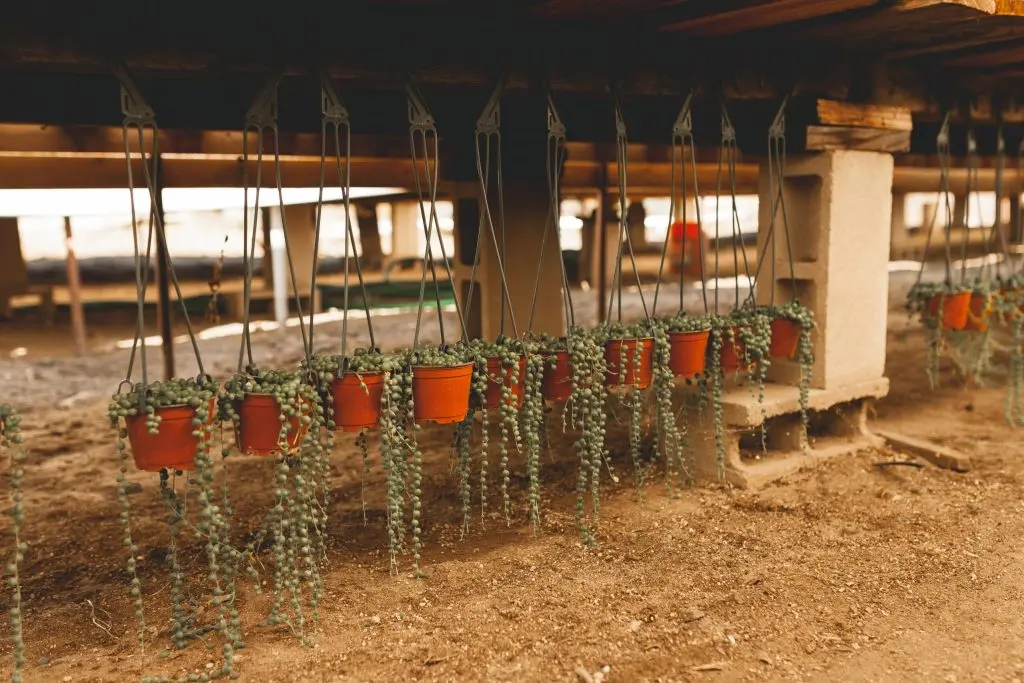
On average, succulents grow at a slow to moderate pace. While some varieties may put on noticeable growth within weeks, others can take months or even years to reach their full potential. Here’s a general breakdown of what you can expect:
- Fast-growing varieties: Some succulents, like Sedum and Echeveria, can grow 2–3 inches within a few months if kept in optimal conditions.
- Moderate-growing varieties: Aloe Vera and Jade Plants typically take a little longer, with noticeable growth after 6 months to a year.
- Slow-growing varieties: Plants like Hens and Chicks or Agave can take several years to reach their full size, but they’re worth the wait!
Factors Affecting Succulent Growth
1. Light Exposure
Succulents need plenty of bright, indirect light to grow. Without enough light, they’ll stretch and become leggy, as they reach for the sun. Indoor succulents do best by a south or east-facing window, while outdoor succulents thrive in full sun.
2. Watering
Succulents don’t require frequent watering, but too much or too little water can stunt growth. Use the soak and dry method—water deeply when the soil is completely dry, then allow it to dry out before the next watering.
Tip: During winter months, succulents are dormant and need even less water.
3. Soil Quality
Succulents prefer well-draining soil. Use a cactus or succulent mix for best results. Too much moisture retention can slow down growth or cause rot, while good drainage promotes healthy roots and steady growth.
4. Temperature
Succulents thrive in temperatures between 60°F to 85°F (15°C to 29°C). Be sure to keep them away from drafts or extreme temperatures, which can stunt growth or cause them to go dormant.
5. Fertilizing
While succulents don’t need a lot of nutrients, a light feeding during the growing season (spring and summer) will encourage growth. Use a balanced, diluted fertilizer designed for succulents and cacti.
How to Speed Up Succulent Growth
If you’re eager to see your succulents grow faster, here are a few tips to help speed up the process:
- Ensure Proper Lighting – Make sure your succulents are getting the right amount of light. If you’re growing indoors, a grow light can be a great addition to supplement natural light.
- Repot When Necessary – If your succulent outgrows its pot, repot it into a slightly larger container with fresh, well-draining soil. This gives the roots more space to spread and promotes healthier growth.
- Regular Pruning – Some succulents, like Echeveria, may benefit from regular pruning. Removing dead or dying leaves can encourage new growth and keep your plant healthy.
How Long Does It Really Take to See Growth?
In general, if you’re properly caring for your succulents, you can expect to see some growth within the first few months. Larger plants like Jade or Aloe Vera will take longer, but with the right environment, you should start to notice subtle changes as your plant adjusts.
Ready to Add Some Fresh Succulents to Your Collection?
If you’re looking for healthy, hand-grown succulents, we’ve got you covered! At SD Succulent Growers, we offer a wide variety of beautiful succulents that are perfect for both beginners and seasoned plant lovers.
👉 Shop our collection on Etsy now
Final Thoughts
Succulents are slow but steady growers. With patience, the right care, and a little attention, you’ll watch your succulents grow into vibrant, healthy plants that will brighten any room or garden. Whether you’re a beginner or a pro, SD Succulent Growers is here to help you along your succulent journey!

Crafting with Succulents: DIY Arrangements for Any Space with San Diego Succulent Growers

Designing Your Dream Garden with San Diego Succulent Growers: Stylish Ideas for Succulent Enthusiasts

Succulents: Nature's water-wise marvels, bringing beauty and resilience to any space
Succulent plants are known for their fleshy, thickened leaves and stems that store water, allowing them to thrive in arid conditions. Here's a general description of succulents:
- Appearance: Succulents come in a wide variety of shapes, sizes, and colors. They can be small and compact like rosettes or tall and spiky like cacti. Some have smooth, rounded leaves, while others have spiky or textured surfaces. The colors range from vibrant greens to purples, blues, and even reds.
- Water Storage: Their ability to store water in their leaves, stems, or roots allows them to survive in dry environments with minimal rainfall. This adaptation makes them excellent choices for xeriscaping or for those who struggle with overwatering plants.
- Adaptations: Many succulents have other adaptations to cope with their environment. For example, some have shallow root systems that spread widely to capture moisture from rain or dew. Others have thick, waxy coatings on their leaves to prevent water loss through evaporation.
- Habitat: Succulents are native to various regions around the world, including deserts, semi-arid regions, and even some tropical areas. They're found on every continent except Antarcti
- Propagation: Succulents can reproduce through seeds, but they also readily propagate from cuttings or offsets, which are small plantlets that grow from the parent plant. This makes them easy to multiply and share with others.
- Low Maintenance: Generally, succulents are low-maintenance plants, requiring little water and minimal attention. However, they do need proper light conditions and well-draining soil to thrive.
- Uses: Succulents are popular as ornamental plants both indoors and outdoors. They're commonly used in container gardens, rock gardens, and as accents in landscaping. Some varieties, like aloe vera and agave, have medicinal uses, while others are cultivated for their striking appearance.